Low-E coated, insulated laminated glass that blocks Florida heat before it reaches your living room — and stands up to hurricane debris in the same unit. NFRC-rated, permitted, with 100% financing and $0 down.
In Central Florida, the biggest load on your air conditioner isn't the front door or the attic — it's solar heat pouring through the glass. Old single-pane windows let the sun's infrared energy pass almost straight through, so your AC runs longer, rooms on the sunny side never quite cool down, and furniture and floors fade under constant UV exposure.
Energy efficient impact windows attack that problem at the glass itself. A microscopic low-E (low-emissivity) coating reflects infrared heat back outside while still letting daylight in, and the insulated, laminated construction slows the transfer of heat through the whole unit.
If your current windows are due for replacement anyway, upgrading to low-E impact glass is the one-project answer.
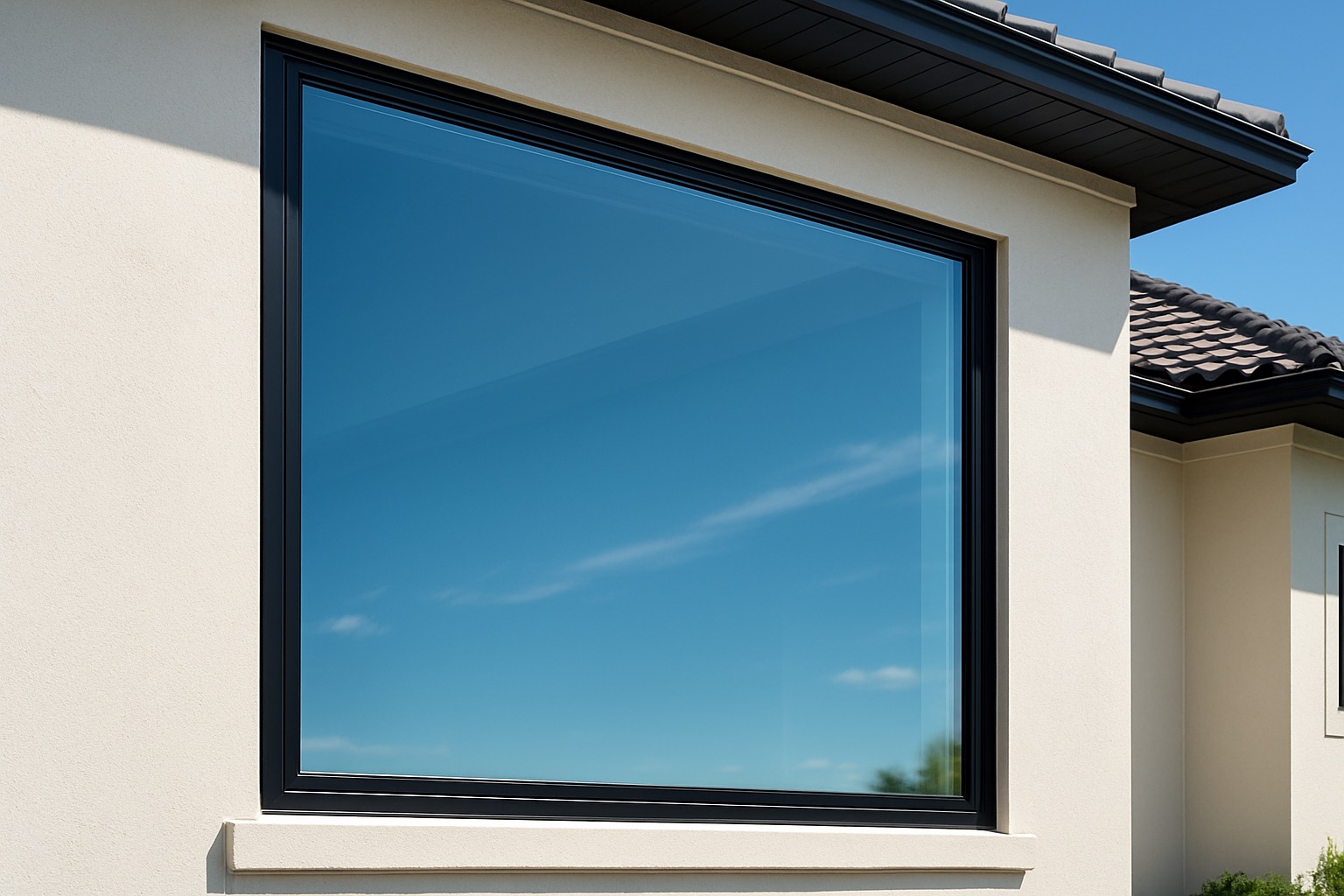
Low-E stands for low emissivity: an invisible metallic layer on the glass that reflects the sun's infrared heat back toward the sky while letting visible daylight pass straight through. In a cooling climate like Orlando, low-E is the single biggest efficiency upgrade a window can have — it blocks the heat, not the view.
Then the rest of the unit goes to work. Two panes bonded to a tough interlayer form the hurricane barrier — and that same laminated sandwich blocks nearly all UV rays, protecting floors and furniture from fading while quieting outside noise. Insulated impact units add a sealed air space between the laminated glass and an outer pane: a thermal brake, so heat has to fight through glass, air, and glass again before it reaches your room.

An invisible metallic layer on the glass reflects infrared heat back toward the sun while letting visible light through — the priority upgrade for every Orlando home.
Two panes bonded to a tough interlayer form the hurricane barrier — and block nearly all UV rays, protecting floors and furniture while dampening outside noise.
A sealed air space between the laminated glass and an outer pane acts as a thermal brake — heat fights through glass, air, and glass again before reaching your room.
Solar Heat Gain Coefficient measures how much of the sun's energy passes through. The lower the number, the less your AC has to fight — the priority spec for sun-facing Florida windows.
Heavy-gauge aluminum frames with proper thermal design and tight, multi-point seals stop the air leakage and conduction that make older frames sweat and radiate heat indoors.
Every unit we install carries an NFRC label — independent, standardized ratings for U-factor and SHGC — so you're comparing verified numbers, not marketing claims.

This is what makes impact glass the smart efficiency play in Orlando: you don't have to choose. The same laminated, low-E, insulated unit that reflects summer heat is the one engineered to Florida Building Code wind loads and rated for large- and small-missile impact. One permit, one install, two problems solved — see our hurricane impact windows for the full protection story. Every low-E and insulated glass package here is available across the Eco-Guard™ line we install — see our Eco Window Systems page for the manufacturer behind it.
The glass working against the heat in July is the barrier that holds against wind-borne debris in September. No panels, no boarding up.
The interlayer that stops debris also dampens traffic noise, and the sealed unit ends drafts and hot spots near the glass for good.
Laminated glass blocks nearly all ultraviolet light — the fader of hardwood floors, rugs, artwork, and upholstery.
Two numbers on the NFRC label tell you almost everything about how a window will perform in Orlando. Here's what they mean in plain English — and the targets we spec to.
U-factor measures how fast heat conducts through the entire window — glass, spacer, and frame. Lower is better: a window with a low U-factor keeps your conditioned air inside instead of trading temperature with a 95° afternoon. For Central Florida homes, look for a low U-factor paired with laminated insulated glass; it's the number that keeps rooms stable after the sun goes down and the humidity stays.
Solar Heat Gain Coefficient measures how much of the sun's radiant energy makes it through the glass, on a scale from 0 to 1. In a cooling-dominated climate like Orlando, SHGC matters even more than U-factor: the lower the SHGC, the less free heat the sun dumps into your home every afternoon. Low-E coatings are what push SHGC down — without darkening your rooms or blocking the view.
Plenty of window companies still advertise the federal tax credit. Here's the truth: the federal 25C window tax credit expired at the end of 2025 and does not apply to windows installed in 2026. What's still on the table:
OUC and Duke Energy periodically offer efficiency rebates for Central Florida customers. Programs change, so we check what's current for your utility at your quote and point you to the right application.
Not a rebate, but real recurring money: rated opening protection can reduce the wind portion of your homeowner's premium year after year. We provide the inspection documentation.
100% financing with $0 down and no payment for the first 2 years, subject to approval — see our financing page for how it works. Upgrade now, pay over time.
"Great experience with American Impact & Energy for my impact windows. The team was professional, efficient, and the installation was smooth. The windows look amazing and I already notice better insulation and security. Highly recommend."
"Great experience overall. The team was on time, worked clean, and the windows look amazing. You can really feel the difference right away."
"We are extremely happy with our new impact windows from American Impact Windows. Great communication, quality work, and the entire process was handled professionally from start to finish."
We'll assess your windows, walk you through low-E and insulated glass options with real NFRC numbers, and set up $0-down financing — all in one free visit.
🔒 Your info is private. No spam, ever. Financing subject to approval.
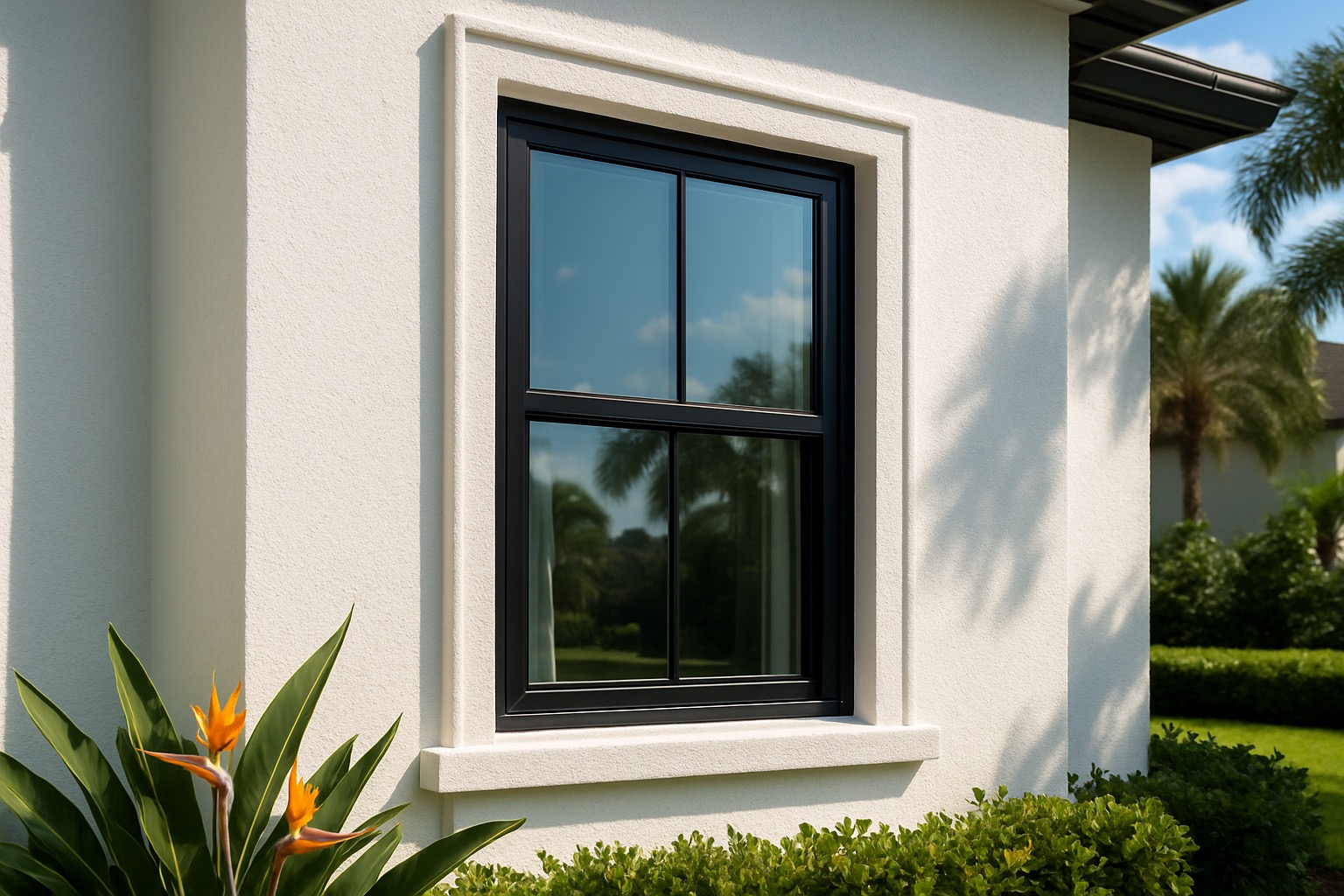
The coating is invisible — the results aren't. Bright, clear rooms with the heat left outside, behind NFRC-labeled insulated units.
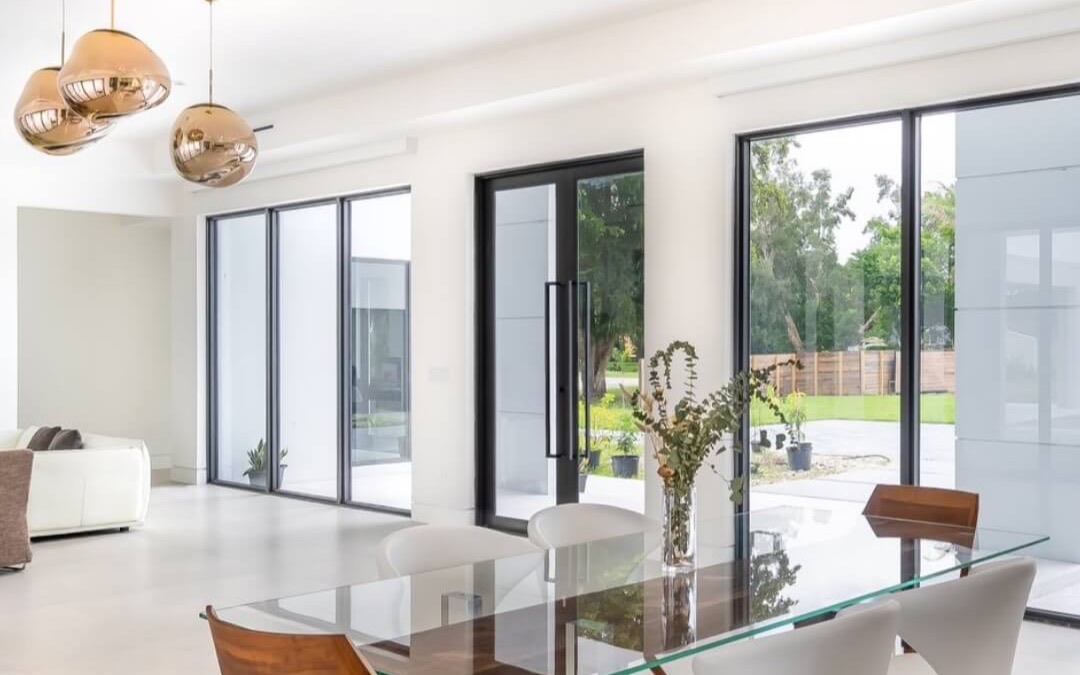 Featured
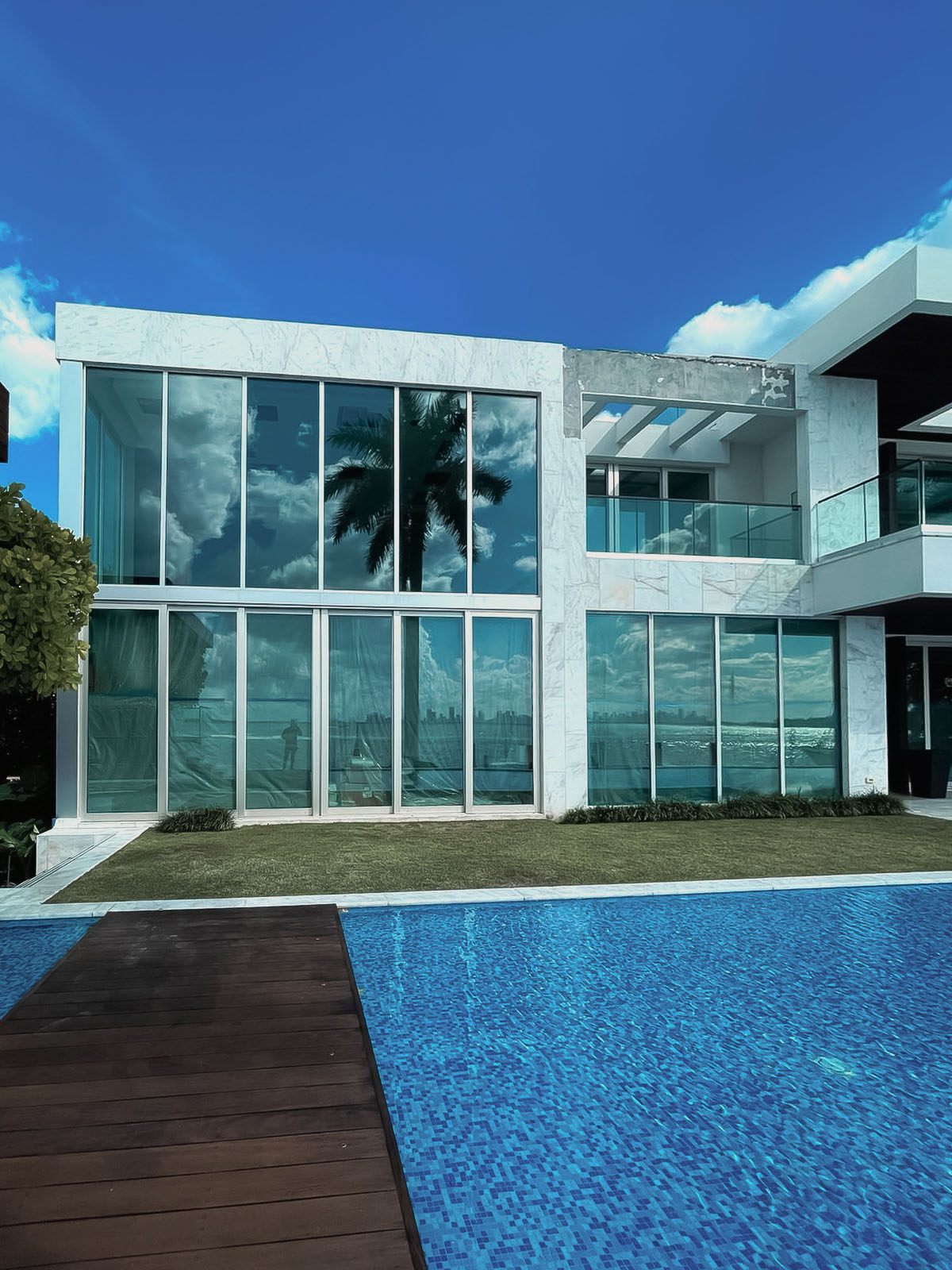 A Whole Wall Of Insulated Glass
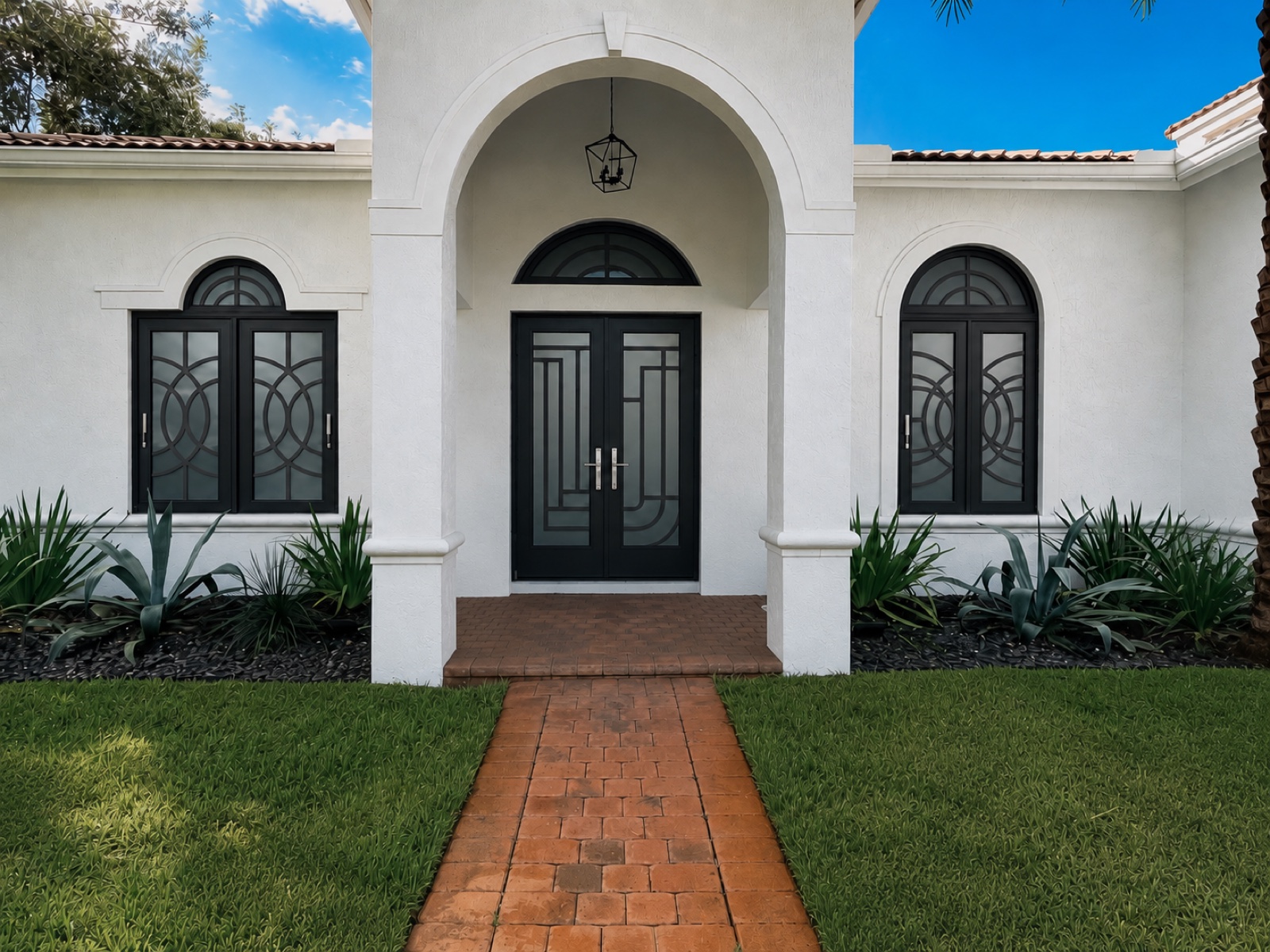
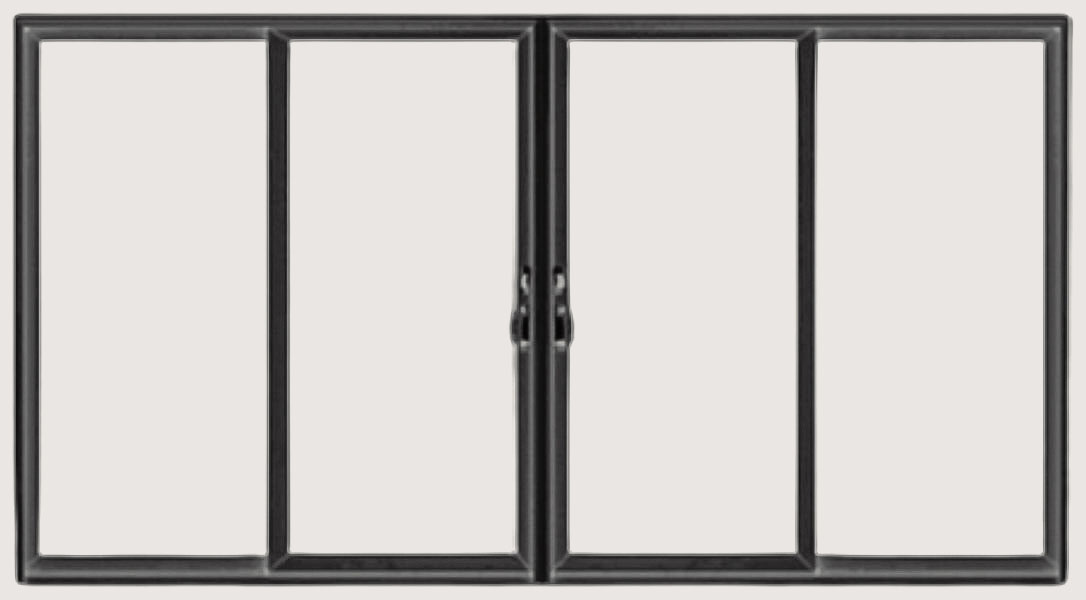 Glass Doors, Same Low-E Package
Sun exposure changes block by block, which is why every low-E package we spec starts with a real visit to your home. From our shop on S Semoran Blvd, those visits are easy to book anywhere below.
5764 S Semoran Blvd, Building E, Suite 101
Orlando, FL 32822
Mon–Fri 8–6 · Sat 9–2
They can, and in Orlando the mechanism is simple: most of a Florida home's cooling load comes through the glass, and low-E insulated impact units cut solar heat gain and conduction at every opening. How much you save depends on your home's orientation, shading, window count, and AC system, so we won't promise a specific dollar figure — but homeowners replacing old single-pane windows typically feel the difference immediately in rooms that used to bake, and see the AC cycle less through summer.
Low-E stands for low emissivity. It's a microscopically thin, invisible metallic coating applied to the glass that reflects infrared heat — the part of sunlight that warms your home — back outside, while still letting visible daylight through. In a cooling climate like Central Florida, low-E glass is the single most important energy feature a window can have, because it lowers the window's solar heat gain coefficient (SHGC) without tinting the view or darkening your rooms.
Every impact window is at least two panes of glass bonded to a shatter-resistant interlayer — that laminated sandwich is what makes it hurricane-rated. Insulated impact units go a step further: they pair the laminated glass with an additional pane and a sealed air space between them, the same principle as a conventional double-pane window. That combination — laminated plus insulated — gives you the best of both: debris protection from the lamination and thermal performance from the insulating gap.
Honest answer: no federal credit. The federal 25C Energy Efficient Home Improvement credit that covered windows ended for products placed in service after December 31, 2025, so windows installed in 2026 don't qualify. That said, utility rebates from OUC or Duke Energy may be available depending on current programs, and rated impact windows can earn wind-mitigation credits on your homeowner's insurance year after year. We'll point you to whatever programs are active when we prepare your quote.
U-factor measures how fast heat conducts through the whole window — lower is better. In Central Florida's climate zone, ENERGY STAR guidance points to a U-factor of roughly 0.40 or lower, but here's the local nuance: because our challenge is heat coming in rather than escaping, SHGC (solar heat gain coefficient) matters even more — look for a low SHGC in the 0.25 range or under on sun-facing windows. Every unit we install carries an NFRC label, so you can verify both numbers before you buy.
Get a free, no-obligation estimate from a licensed local installer. We'll show you the low-E and insulated glass options that fit your home and budget, with $0-down financing. Questions first? Contact us or call (689) 219-5507. Business owner? See our storefront impact windows & doors.
Takes 60 seconds. No pressure, no obligation.
By submitting you agree to be contacted about your project. Financing subject to approval.